Skip Hire in Pinner

Skip hire in Pinner gives households, trades and property managers a straightforward way to deal with waste that is too bulky, heavy or awkward for ordinary collections. We provide containers for mixed general waste, inert building debris and many everyday clear-outs, with sizes and collection arrangements chosen around the amount of material you need to remove. The aim is to keep the process practical: you fill the skip, we collect it, and the waste is handled through a disposal route that is suitable for the load.
Our service is suited to kitchen refits, garden work, tenancy changes, loft declutters, refurbishment debris and other projects that create more material than a few bins can handle. If you are comparing options, you can review skip sizes and prices first, then decide whether a smaller container, a larger builder’s skip or a different approach is the better fit. Clear, simple planning helps avoid overfilling and unnecessary delay.
To request a quote, it helps to know the waste type, the rough volume and whether the skip will sit on private land or need any access planning. If you prefer to see the practical steps before you enquire, what can go in a skip explains the usual load categories and common restrictions. For the quickest next step, ask for a quotation.
Domestic and household skip hire

Domestic skip hire is often the most convenient choice when a home project creates a steady flow of mixed waste over several days. It can suit bagged rubbish, broken fixtures, packaging, old fittings, timber offcuts and general clutter from rooms, garages or lofts. The useful part is flexibility: you can load at your own pace rather than trying to organise repeated tip runs. That makes it easier to keep a renovation or clear-out moving without turning waste removal into a separate job.
For people comparing domestic options, it is worth matching the skip to the kind of material being produced. Light household waste may suit a smaller container, while a heavier load from plaster, tiles or bricks usually calls for a more suitable builder’s choice. Domestic skip hire is the best place to look if you want a service focused on home projects. Choosing the right size early usually makes loading safer and tidier.
Common domestic projects
Householders often use skips for clear-outs before a move, bathroom updates, garden work, shed demolition and attic sorting. The important part is not simply the amount of waste, but how the waste is produced. Loose general rubbish, broken furniture parts and mixed light materials can be straightforward, while very dense rubble needs more careful sizing. Where access is tight or there are parking constraints, a different waste removal method may be more practical than keeping a container on site.
Building and construction waste removal
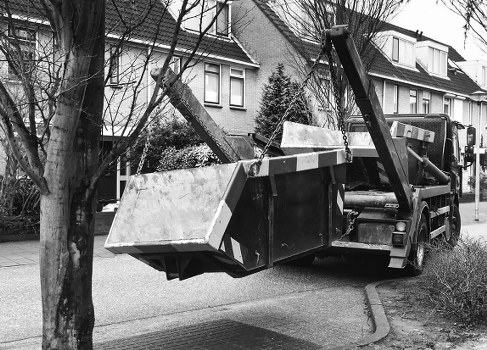
Construction waste removal is designed for works that generate a reliable stream of heavy or mixed building debris. That can include brick, block, plasterboard, timber, packaging, offcuts and site sweepings from refurbishments or structural alterations. A skip is useful when the waste is produced over a period of time and needs to stay on site while work continues. It keeps the area clearer for trades and helps separate waste from the space where the job is actually taking place.
For projects involving renovations, extensions or demolition prep, construction waste disposal gives a more focused route for load types that come from building work. If the material is mainly from a contractor’s job, builders waste removal and builders skip hire are both relevant pages to review. These options are especially useful when the waste is dense enough that simple volume estimates are not the only factor.
When planning a construction load, think about the heaviest component, not just the visible pile. A skip filled with plaster, rubble or soil behaves very differently from one filled with packaging and timber. That distinction matters because it affects what size is sensible and how the load should be managed. If the project needs a different method, grab hire services may be worth considering for bulkier loose material that is awkward to load by hand.
Clearances for homes, garages and offices

Some customers need more than a general skip because the waste is already gathered from one place, or because the work is a clear-out rather than a building project. In those cases, clearance services can be a better match. A garage, loft or house clearance can bring together mixed items such as unwanted furniture, broken household goods, packaging and accumulated clutter. The value of a structured clearance approach is that the waste is handled as one organised job rather than piecemeal over many days.
If you are looking at non-construction clearances, garage and loft clearance, house clearance and office clearance cover different settings where the source of the waste is as important as the volume. Office jobs may involve furniture, general equipment or confidential material that needs separate attention, while domestic spaces may be more mixed and less predictable. The right approach keeps the load manageable and helps avoid sending the wrong items into a skip.
A few practical points help any clearance go more smoothly. It is useful to separate items that should not be mixed with ordinary waste, and to know whether the property has stairs, narrow entrances or limited parking. If you have a single bulky item rather than a full room of material, rubbish removal or man and van may be the better fit. For a load with fridges or white goods, fridge and appliance removal is more appropriate than a standard mixed skip.
Garden, site and outdoor waste
Outdoor work tends to create waste that is bulky, muddy or awkward to carry through a house, so a skip can make the job far easier to manage. Garden waste may include branches, hedge cuttings, grass, roots, soil, fencing and old landscaping material. Site waste can be broader, covering soil, broken hardstanding, packaging, timber and leftover material from outdoor improvements. The key is to keep the load aligned with the type of work rather than assuming every outside job needs the same container.
Garden waste removal is useful when you want a practical route for green waste and outdoor clear-up material. For larger mixed projects, site clearance can be the stronger option, especially where the job involves a more complete tidy-up rather than a single pile. Muck away services are also relevant for soil and heavy bulk material that is better handled separately from light rubbish.
Outdoor waste is often affected by weather, access and the way the work is staged. Soil and turf can be deceptively heavy, while branches and clippings are light but space-consuming. If you are weighing up methods, look at how the material will be stacked, whether there is room to load safely and whether the waste will sit for a few days before collection. Good sorting at the start reduces confusion later and makes the chosen service easier to use.
Specialist skip options and managed handling
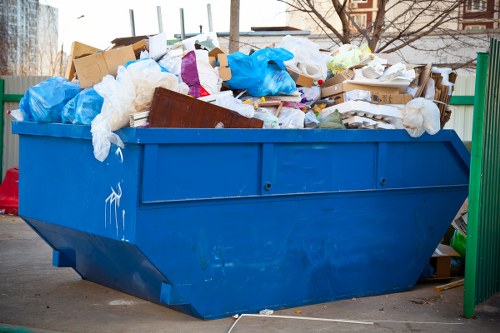
Not every load is suitable for a standard open skip, so specialist options exist for jobs that need more control, more access flexibility or a different handling method. An enclosed or lockable container can be helpful where the contents need protection from weather or casual access, while a same-day arrangement may suit a project with a tight timescale. For some customers, the right answer is not a skip at all, but a managed collection method that better matches the materials and the site conditions.
Enclosed and lockable skip hire is a practical option where the waste is on a more exposed site or where the contents should stay contained. Same-day skip hire is useful when the project begins unexpectedly or when an urgent clear-up cannot wait for a later slot. For loads that are better lifted directly, wait and load skip hire can be a sensible alternative because the vehicle does not need to remain on site for long.
Specialist handling is also important where the waste type changes the disposal route. Hazardous waste disposal covers materials that need separate treatment, while waste recycling services are useful where the aim is to process recoverable material responsibly. If you are dealing with a particular item set, mattress and sofa disposal or confidential shredding may be more suitable than adding those items to a mixed skip load.
Finding the right hire method and permit route
The best waste solution depends on three things: the material, the amount and the location of the load. A skip is often the most practical choice when waste is produced gradually and can stay in one place. Grab hire can be better when material is piled loosely and needs lifting from access points. A man and van collection may suit smaller or faster clearances. Thinking through those differences before booking helps the service match the job instead of forcing the job to fit the service.
When a container must go on a public road or another area that needs permission, skip permits explain the administrative side of placement. That matters because access, frontage width and parking restrictions can affect whether a roadside position is even possible. If the skip will be on private land, the arrangement is often simpler, but it is still worth checking that delivery and collection vehicles can reach the site safely. book online is available for customers who already know what they need and want to move forward.
The decision is usually easier when the waste is separated into broad groups before you ask for a quote. Heavy inert material, mixed household items, green waste and specialist items may each point toward a different service page. If you are still comparing routes, the main thing is to choose the option that fits the load rather than assuming the same container suits every kind of waste. That approach keeps the process clear, practical and easier to plan.
About Pinner
Pinner is a suburban district in the London Borough of Harrow, in northwest London, and it combines older village character with the structure of a later commuter settlement. Its historic core developed around Pinner Parish Church and the high street pattern that still gives the area a recognisable centre. The name is long established, with medieval origins, and the district retains a distinct identity that is visible in its streetscape, annual events and village-like main centre. Pinner’s conservation area includes a range of historic buildings, many of them timber-framed or brick-built, alongside later shopfronts and residential terraces that show how the settlement expanded over time. The area is also known for its strong green character, with open spaces and tree-lined roads contributing to a comparatively settled feel within Greater London. Pinner Memorial Park provides formal gardens, sports facilities and walking routes, while nearby parks and commons add to the local network of open land. The district has rail links through Pinner station on the Metropolitan line, which helped shape its development as a place with commuter connections to central London. Local life is supported by schools, places of worship, independent shops and community events, and the centre remains focused around pedestrian movement, local services and an orderly high street environment. The result is a place that feels both rooted in its history and integrated into the wider metropolitan area, with its older core, suburban housing and public green space all contributing to a distinct local character.
Skip sizes, loading and disposal details
The practical side of skip hire is often about getting the size and loading pattern right. A small skip can be enough for a bathroom rip-out or a compact clear-out, while a larger container may be better for ongoing refurbishments or bulky mixed material. The usual factors are weight, access and the type of waste, not just how quickly the work is moving. Builders skip hire is often chosen for dense site waste, while domestic skip hire is more closely aligned with household waste and clear-outs.
If you want a broader view of the service, skip hire gives a general route into the main offer, and skip hire permits covers the situation where location or road placement matters. For customers focused on cost and load matching, skip sizes and prices is the most direct page to compare the typical options. It is often the simplest way to avoid paying for a container that is too small or booking one that is larger than necessary.
We also deal with the waste pathway after collection, so the material does not simply disappear without process. Some loads are suited to recycling routes, others require disposal in line with the item type, and some need to be kept separate from ordinary mixed waste. That is why a clear description of the load is more useful than a vague request. If you are ready to move ahead, a brief enquiry with the waste type and access details is enough to start.
Booking, access and quotation details
When you ask for a quote, the most useful information is simple and specific. Let us know what kind of waste you have, roughly how much there is and whether the skip needs to be delivered to private ground, a driveway or a roadside position. If the job is a clearance rather than a container hire, it also helps to explain whether items are scattered through a property or already gathered in one area. That gives a better basis for matching the service.
Access can affect the arrangement as much as the waste itself. Narrow drives, low branches, tight turning space and parked cars can all influence how delivery and collection are planned. In those cases, a different service such as grab lorry hire may be worth considering if loose material needs to be removed without leaving a container on site. For a more general price discussion, pricing and quotes is the right place to start, and contact us is available when you are ready to ask for a quotation.
For a straightforward response, keep the enquiry focused on the load and the place where it will sit. That makes it easier to recommend the most suitable option and avoid unnecessary back-and-forth. One clear message with the essentials is usually enough to begin the process, and it gives you a cleaner comparison if you are weighing up more than one waste removal method.