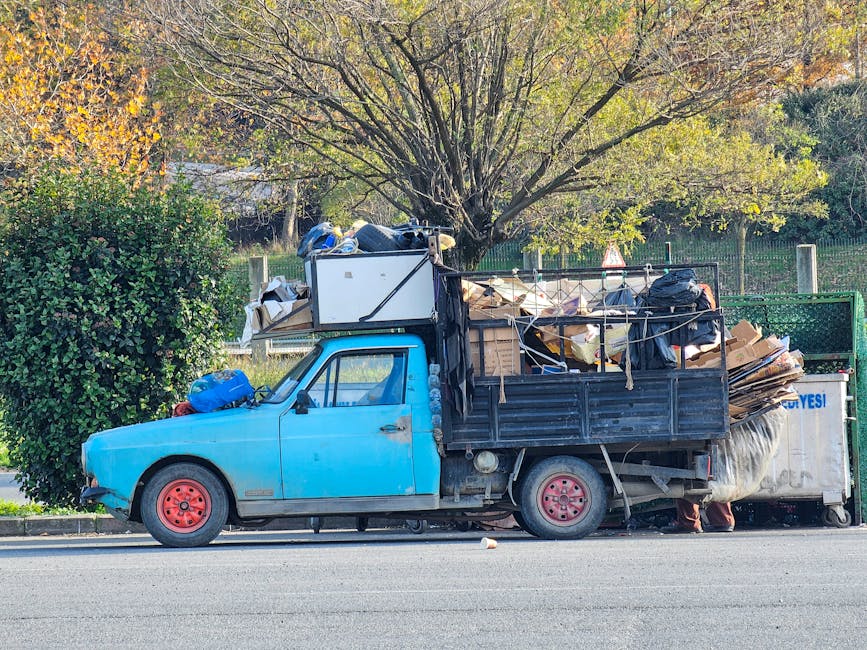
Hidden charges to avoid when booking rubbish removal in Pinner
If you are comparing quotes for rubbish removal in Pinner, the headline price is only half the story. The real headache often comes later, when a booking that looked tidy on the phone suddenly picks up extras for loading time, access, heavy items, parking, or disposal fees. That is exactly why understanding hidden charges to avoid when booking rubbish removal in Pinner matters so much. A clear price should stay clear. Simple as that.
In this guide, we will walk through the most common surprise costs, how rubbish removal pricing usually works, what to check before you book, and how to spot the difference between a fair add-on and a sneaky one. You will also find a practical checklist, a comparison table, and a few real-world examples from the sort of jobs people in Pinner deal with every week, from garden clear-outs to post-refurbish clutter. Let's face it, nobody wants to be standing by the front gate at 8:15 in the morning wondering why the bill has grown.
By the end, you should feel far more confident asking the right questions and choosing a service that is transparent from the start.
Table of Contents
- Why Hidden charges to avoid when booking rubbish removal in Pinner Matters
- How Hidden charges to avoid when booking rubbish removal in Pinner Works
- Key Benefits and Practical Advantages
- Who This Is For and When It Makes Sense
- Step-by-Step Guidance
- Expert Tips for Better Results
- Common Mistakes to Avoid
- Tools, Resources and Recommendations
- Law, Compliance, Standards, or Best Practice
- Options, Methods, or Comparison Table
- Case Study or Real-World Example
- Practical Checklist
- Conclusion
- Frequently Asked Questions
Why Hidden charges to avoid when booking rubbish removal in Pinner Matters
Hidden costs are more than a nuisance. They can make it hard to compare providers fairly, and they can turn a well-planned clear-out into an awkward, over-budget day. In a busy area like Pinner, where properties vary from flats with tight stairwells to family homes with long drives and side access, the final price can change quickly if a company has not asked the right questions upfront.
What tends to catch people out? Usually it is not one huge scammy fee. It is the little ones. An extra charge for waiting while you move items outside. A surcharge for a sofa that is heavier than expected. A parking cost nobody mentioned. A disposal uplift for mixed waste. Individually, they can look harmless. Together, they can sting a bit.
To be fair, some add-ons are legitimate. If a job takes longer, requires two people instead of one, or includes restricted waste, it is reasonable for a company to price that in. The issue is disclosure. You should know what is included before the van turns up, not after the work is done.
That is why price transparency matters just as much as speed. A genuinely useful rubbish removal service should help you understand the scope of the job, explain how pricing is calculated, and tell you where the line is between standard collection and extra work. If they cannot do that, treat it as a warning sign.
And yes, the cheapest quote is not always the cheapest job. Sometimes the "bargain" turns into a long afternoon of add-ons that make your original quote look almost decorative.
How Hidden charges to avoid when booking rubbish removal in Pinner Works
Most rubbish removal pricing is built from a few basic elements: volume, weight, labour, access, and disposal type. The structure varies from company to company, but the same pressure points appear again and again.
Here is the simple version. You describe what needs removing. The provider estimates how much space it will take, how difficult it will be to load, whether any special handling is needed, and how long the job should take. On a clear, well-scoped job, the quote should be close to the final bill. On a vague one, surprises creep in.
Common hidden charges often sit in these areas:
- Loading time: if items are not ready, or if the team has to wait while you sort through rooms or sheds.
- Access issues: long carries, narrow staircases, no lift, restricted parking, or hard-to-reach gardens.
- Weight-based adjustments: especially for dense waste such as rubble, wet materials, or soil.
- Special waste handling: fridges, mattresses, paint, chemicals, plasterboard, or items needing separate disposal.
- Minimum load charges: some firms have a lower limit even for small jobs.
- Congestion or parking costs: not every provider includes these in the initial quote.
- Out-of-hours or same-day fees: useful in a rush, but not always obvious from the first conversation.
In practice, the quotation process should feel like a short interview, not a guessing game. If a company only asks "how much rubbish have you got?" and then gives a neat number, that is not always a problem. But it is worth asking what that number actually includes. The boring details matter here. They really do.
For bigger clearances, it can also help to compare rubbish removal with other disposal options. Services such as skip sizes and prices, man and van collections, or wait and load skip hire can suit different sites and budgets. The right choice is often the one that matches your access, timing, and waste type best, not simply the one with the flashiest ad.
Key Benefits and Practical Advantages
Avoiding hidden charges is not just about protecting your wallet, although that is part of it. It also makes the whole booking process calmer and far more predictable. No one enjoys chasing invoices or arguing over what was "obviously included."
The main benefits are straightforward:
- Better budgeting: you can plan the job properly and avoid awkward surprise costs.
- Cleaner comparisons: two quotes become easier to compare when both are based on the same assumptions.
- Less stress on the day: no unexpected back-and-forth while rubbish is sitting in your hallway or driveway.
- Fewer disputes: clear terms reduce confusion over what counts as extra work.
- Smarter decisions: you can choose between rubbish removal, skip hire, or a hybrid option with confidence.
There is also a practical upside that gets overlooked. Once you understand pricing properly, you are better equipped to choose the right service level. For example, a small domestic clear-out might suit a quick collection, while a larger renovation job could work better with builders waste removal or construction waste disposal. That is where the savings often happen, not by shaving a fiver off the headline quote, but by avoiding the wrong method altogether.
Another benefit is speed. Once you know what details matter, you can get a more accurate quote on the first try. Less email tennis. Less time repeating yourself. A small thing, maybe, but a lovely one.
Who This Is For and When It Makes Sense
This advice is useful for pretty much anyone arranging waste collection, but it is especially relevant if you are in one of these situations:
- you are clearing a house after a move, death, or long-term storage build-up;
- you are refurbishing a kitchen, bathroom, or extension and do not know how much waste you will generate;
- you are disposing of bulky items such as sofas, mattresses, wardrobes, or white goods;
- you run a small business and need regular collection without budget surprises;
- you are dealing with garden waste after a seasonal clear-up and the pile is bigger than expected;
- you live on a road with awkward parking, which can change the cost quite a bit;
- you need same-day or urgent removal and want to understand any premium charges before you commit.
If any of that sounds familiar, you will benefit from a careful quote. In Pinner, that can matter even more because every property layout is slightly different. One driveway may be easy. The next job down the road may involve a basement, narrow gate, and a neighbour's car parked exactly where it should not be. Typical, really.
This is also for anyone who has been burned before. If you have paid a clean-looking quote only to discover extras later, you are not being cautious for no reason. You are being sensible.
Step-by-Step Guidance
Here is a practical way to reduce the chance of hidden charges before you book rubbish removal in Pinner.
1. Describe the waste properly
Be specific. Not "some rubbish," but what kind of rubbish. Household clutter, garden waste, office items, broken furniture, building rubble, old appliances, or mixed materials all price differently. If there are awkward items, say so early.
A quick photo helps. A couple of photos in good daylight can save a lot of confusion. You do not need to stage a mini photo shoot-just make sure the pile is visible and honest.
2. Ask what is included in the quote
Before you agree, ask whether the quote includes labour, loading, VAT if applicable, disposal fees, parking, congestion, and any minimum call-out charge. If it is not included, ask how it is charged.
It sounds basic, but this is where many surprises start. A decent provider should be able to explain the pricing in plain English.
3. Check access details
Be upfront about stairs, long carries, locked gates, lifts, restricted roads, or the lack of parking close to the property. Access is one of the most common causes of price changes, and it is usually avoidable if declared in advance.
If you are near a busy street or a residential cul-de-sac, mention it. Even a short walk from the vehicle to the waste pile can affect labour time.
4. Confirm how mixed waste is handled
Mixed waste often costs more to sort and dispose of. If your load contains a bit of everything, ask whether the company charges differently for recyclable, bulky, and restricted items. The answer will tell you a lot about how transparent they are.
5. Ask about special items
Some items need separate handling: fridges, freezers, mattresses, televisions, gas bottles, paint tins, plasterboard, and certain electricals. These are not always banned from collection, but they can create extra charges because disposal routes differ.
If you have one odd item in a larger load, mention it. It saves that awkward moment when the team spots it at the kerb and everyone has to pause. Not fun.
6. Confirm the timing and any waiting policy
If you are not fully ready, ask whether waiting time is billed. If you need a tight arrival window, check whether same-day or timed collection carries a premium.
For urgent jobs, services such as same day skip hire can be useful if a skip is the better fit. For quick access with less room, a collection model may be more practical. It depends on the day, the access, and how much faff you are willing to tolerate.
7. Get the final price in writing
Whatever form the booking takes, ask for a written summary. It does not need to be formal or stiff. A short confirmation message listing what is included, what could change, and the expected total is enough to protect both sides.
That little bit of paperwork can save a surprisingly large headache later.
Expert Tips for Better Results
After enough clear-outs, a few patterns become obvious. Small improvements at the booking stage can cut the risk of extras dramatically.
Useful expert habits include:
- Group items by type: keep metals, garden waste, furniture, and rubble separate if possible.
- Clear a route before collection: move cars, unlock gates, and open doors ahead of time.
- Measure bulky items: a sofa or mattress that looks "about right" can still surprise you.
- Be honest about volume: underestimating waste usually costs more in the end.
- Ask whether recyclable loads are priced differently: many providers factor recycling routes into the quote.
- Avoid last-minute additions: one extra pile can move a job into a higher bracket.
One small but useful trick: if you have a pile that is partly recyclable, partly general waste, and partly awkward bits, take a minute to sort it before you call. The quote may come back steadier, and the collection itself tends to run more smoothly. A bit of effort upfront, then a much calmer morning.
Also, if your clear-out touches several areas of the property, think about whether a specialist service would be cleaner than a general collection. For example, garage and loft clearance can be a better fit for hidden clutter, while house clearance is often better for larger residential jobs. Matching the service to the job reduces those little bill creep issues.
Common Mistakes to Avoid
Most hidden charges are not mysterious. They usually come from avoidable mistakes in the booking process.
- Accepting the first quote without asking what it covers. Fast is fine, vague is not.
- Forgetting to mention access problems. Long walks, stairs, and parking restrictions all matter.
- Assuming every item is priced the same. A mattress and a bag of cardboard are not the same thing.
- Leaving waste unsorted when sorting would lower the cost. Especially with mixed loads and recyclable items.
- Booking too late and paying a rush premium. Urgency is expensive, no surprise there.
- Not checking whether VAT or disposal fees are already included. That one catches people out a lot.
- Ignoring company policies and terms. A quick glance now is better than a dispute later.
A smaller mistake, but still common, is using "estimate" and "fixed price" as if they mean the same thing. They do not. An estimate can move if the actual load differs. A fixed price should be much more stable, provided your description was accurate. Always ask which one you are being given.
And if a provider seems irritated by questions about pricing? That tells you more than the quote does.
Tools, Resources and Recommendations
You do not need fancy tools to avoid hidden charges, but a few basic ones help more than people expect.
- Phone camera: take clear photos of the waste from different angles.
- Notes app: jot down item types, rough quantities, and access details before you call.
- Tape measure: useful for sofas, appliances, wardrobes, and awkward bulky items.
- Simple checklist: keep track of what is being removed, what stays, and what may need special handling.
- Written quote or message confirmation: helps reduce confusion later.
If you are comparing disposal routes, it can also help to review related service pages before you book. For example, if you are dealing with a builder's clear-out, builders skip hire and construction waste clearance may be worth comparing with collection-based options. For garden jobs, garden waste removal can be a neat fit, especially where soil, branches, and green waste are involved.
If sustainability matters to you, it is also worth asking how waste is sorted and processed after collection. A provider with a clear recycling approach, such as the guidance on recycling and sustainability, is more likely to explain disposal routes sensibly and transparently.
Law, Compliance, Standards, or Best Practice
There are a few compliance points worth keeping in mind, even if you are only booking a small domestic collection. In the UK, waste carriers should be properly authorised to handle and transport waste. As a customer, you are not expected to become a legal expert, but you should be able to ask whether the company follows the right procedures.
Best practice also includes clear pricing, responsible disposal, and proper segregation of certain waste streams where needed. Hazardous materials, electrical items, appliances, and some construction waste may require special handling. If you are unsure whether an item is restricted, ask before collection rather than after.
For site-specific or business jobs, documentation matters even more. Commercial clients often benefit from clearer paper trails, predictable billing, and disposal records. Services such as commercial skip hire or office clearance may bring more structure to recurring waste streams and reduce the chance of accidental overcharging.
If a provider talks openly about insurance, safety, and handling procedures, that is generally a good sign. You are not looking for fancy jargon. You are looking for calm, competent answers.
Options, Methods, or Comparison Table
Different waste solutions suit different jobs. Hidden charges often show up when the method does not match the task. This table gives a practical overview.
| Method | Best for | Common hidden-charge risks | Good to know |
|---|---|---|---|
| Rubbish removal | Quick clear-outs, mixed household waste, bulky items | Access issues, labour time, special items, waiting time | Convenient if you want someone to do the lifting |
| Skip hire | Ongoing DIY, garden jobs, renovation waste | Permit costs, overweight loads, prohibited items | Useful if you can load at your own pace |
| Wait and load | Limited space, short jobs, roadside access | Extra waiting, parking restrictions, larger-than-expected loads | Handy where a skip would be awkward |
| Grab hire | Large volumes, heavy waste, muck, rubble | Access constraints, load composition changes, site delays | Often efficient for bulkier material |
If you are comparing methods because the price looks slippery, take a breath and look at the job itself. A small flat clearance and a garden overhaul are not the same thing. The wrong method often creates the hidden cost you were trying to avoid in the first place.
For some households, a standard collection is enough. For others, a skip or combined approach makes the numbers better. If you need a sharper sense of size before you book, what can go in a skip is also worth understanding before you commit to a particular route.
Case Study or Real-World Example
Here is a very typical Pinner scenario. A family is clearing a garage after years of boxes, broken shelving, old garden tools, and a couple of bulky items that have been "temporarily" stored there since spring. They ring around and get three quotes. The cheapest one sounds brilliant, until the provider starts adding charges for awkward access, a fridge that needs separate handling, and a longer loading time because the garage is packed tighter than expected.
Another company asks a few plain questions up front: Is there parking nearby? Are the items already outside? Any appliances? Any rubble or garden waste mixed in? They ask for photos. The quote is a bit higher on paper, but it is also clearer. No drama later. No "surprise" fees. The job is done in one visit, and the family knows exactly what they paid for.
That second approach is usually the better value. Not because it is the lowest number, but because it is the truest number.
We see this sort of thing especially often with mattress and sofa disposal and appliance removal jobs. A sofa looks simple until you factor in stairs, door width, and whether two people are needed. The item itself is only half the puzzle.
Practical Checklist
Use this checklist before you confirm a rubbish removal booking in Pinner.
- Have I described the waste clearly, including any bulky or unusual items?
- Have I shared photos if possible?
- Do I know whether the quote includes labour, loading, disposal, and VAT if applicable?
- Have I explained access details such as stairs, gates, and parking?
- Have I mentioned special items like fridges, mattresses, or electricals?
- Do I know whether waiting time or same-day service costs extra?
- Have I asked how mixed waste is priced?
- Is the final price confirmed in writing?
- Do I know whether a skip, grab lorry, or collection service is the better fit?
- Am I comfortable that the provider is transparent and responsive?
If you can tick most of those off, you are already ahead of the game. Honestly, that simple habit saves more money than people realise.
Conclusion
The biggest lesson here is not complicated: hidden charges usually appear when the job was not described clearly enough, or when the quote did not spell out what was included. If you slow things down just a little and ask direct questions, you can avoid most of the common traps when booking rubbish removal in Pinner.
Look closely at access, item type, load size, special waste, waiting time, and disposal rules. Compare like with like. And if a quote feels too neat, too quick, or too vague, trust that instinct and ask again. A good provider will not mind. In fact, the best ones welcome it.
For local homeowners, landlords, businesses, and anyone in the middle of a clear-out, a transparent booking process makes the whole day smoother. Less guesswork. Fewer surprises. Better value. That is the aim, really.
Get a free quote today and see how much you can save.
And if all you need is a straightforward, honest answer about your waste, that is a perfectly fair place to start.
Frequently Asked Questions
What are the most common hidden charges in rubbish removal?
The most common extras are labour time, difficult access, parking, same-day service, heavy or special items, and disposal fees for restricted waste. They are not always unfair, but they should be explained before you book.
How can I tell if a rubbish removal quote is genuinely fixed?
Ask whether the price includes loading, disposal, VAT if applicable, and any call-out fee. A fixed price should stay fixed if your description of the waste and access is accurate.
Is it cheaper to use skip hire or rubbish removal in Pinner?
It depends on the job. Skip hire can suit longer projects where you fill it over time, while rubbish removal can be better for quick clear-outs or bulky items that need lifting. The cheaper option is the one that fits the job properly.
Do I need to mention access problems before booking?
Yes. Stairs, long carries, limited parking, and tight entrances can all affect the final price. If you mention them early, you are much less likely to see unexpected charges later.
Are mattresses and sofas more expensive to remove?
Often, yes. Bulky items can take more labour and may need separate disposal handling. It is best to name them upfront rather than lump them into a general "household waste" description.
Why do some companies charge extra for mixed waste?
Mixed loads can take more sorting and may need different disposal routes. A bag of cardboard, some garden waste, and a broken appliance are not always priced the same way as a single waste type.
Should I ask for the quote in writing?
Absolutely. A written summary makes it much easier to avoid misunderstandings. It does not need to be formal, just clear enough that both sides know what was agreed.
What should I do if the final bill is higher than expected?
Ask for a breakdown of the extra charges and compare it with the original quote or message. Sometimes the extra is valid, but if it was never explained, you should question it calmly and firmly.
Does same-day rubbish removal cost more?
It often does, because urgent scheduling can require more flexibility from the provider. If speed matters, ask about the surcharge first so you can decide whether it is worth paying.
Can I reduce rubbish removal costs by sorting items first?
Usually, yes. Sorting recyclable items, separating rubble from general waste, and removing special items from the load can make the quote steadier and reduce avoidable extras.
Are there items that always need special handling?
Certain appliances, hazardous materials, and some electrical or construction items often need separate handling. If you are unsure, describe the item and ask before collection rather than leaving it to chance.
What is the best way to compare rubbish removal companies?
Compare what is included, not just the headline price. Look at access rules, loading time, special item charges, disposal fees, and whether the company explains the quote clearly. That is where the real difference usually is.